




We've all seen the "eco-friendly" stickers on almost everything these days. But if you’re serious about reducing your footprint, you know that a label isn't enough—you need to know what's actually inside.
It's time to move past the marketing buzzwords and look at the actual materials that make up your workspace. Understanding these materials is the first step to picking gear that works hard and treats the planet right.
Part 1: The Heavy-Hitters of Sustainable Office Supplies
A few innovative materials are leading the charge in changing how we make everyday items. Here are the stars of the show right now:
1.Post-Consumer Recycled (PCR) Materials
The Lowdown: PCR means taking stuff that’s already been used—like old water bottles and containers—and turning it into something new instead of throwing it in a landfill.
Why it’s a big deal: It gives waste a second life and is a huge part of the "circular economy".
Who’s doing it well: Strathmore is a great example in the art world. Their 400 Series Toned Sketch paper shows that recycled doesn't mean lower quality—it’s made from 100% recycled materials, including 30% post-consumer fiber, and is still a favorite for artists.
2.Organic Bamboo
The Lowdown: Fun fact: bamboo is actually a super-fast-growing grass, not wood. It grows naturally without needing heavy chemicals or pesticides.
Why it's a big deal: Because it grows so fast, it's easily renewable and even pulls carbon out of the air.
Who's doing it well: Sprout World is known for its "plantable pencils," made from sustainable cedarwood and bamboo, with plant seeds embedded in the tip. Once the pencil is used up, it can be planted, offering significant educational value.
3.Compostable Bioplastics
The Lowdown: These are "plastics" made from plants like corn or castor oil instead of oil.
Why it’s a big deal: They’re designed to break down into water and CO2 in industrial compost settings, which helps stop the spread of permanent microplastics.
Who’s doing it well: Prodir's True Biotic line is a standout because it is made from PHA , a non-toxic biopolymer that is 100% home-compostable. Unlike many bioplastics that require industrial facilities, these can break down in soil or a home compost bin.
Part 2: The Hidden Gem: Wheat Straw
While the materials above are well-known, there is a high-potential material often overlooked by the mainstream market: Wheat Straw.
What it is: An agricultural byproduct left over after wheat grains are harvested. This strong natural fiber was traditionally discarded or burned.
- Why is it the gold standard for "Upcycling":
Waste-to-Worth: It utilizes existing agricultural "waste," requiring no extra land or water to grow.
Low Carbon Footprint: Utilizing local straw is significantly more carbon-efficient than mining oil for new plastic or transporting timber over long distances.
High Performance: When processed, it creates a material that is sturdy, wear-resistant, and aesthetically pleasing.
Part 3: The EcoStash Choice: Where Wheat Straw Meets Organization
After researching various eco-friendly materials, EcoStash made the strategic choice to use wheat straw as the heart of our product line. We believe the best sustainable design transforms the most undervalued resources into the most practical tools.
We don't just use this material; we aim to showcase its full potential:
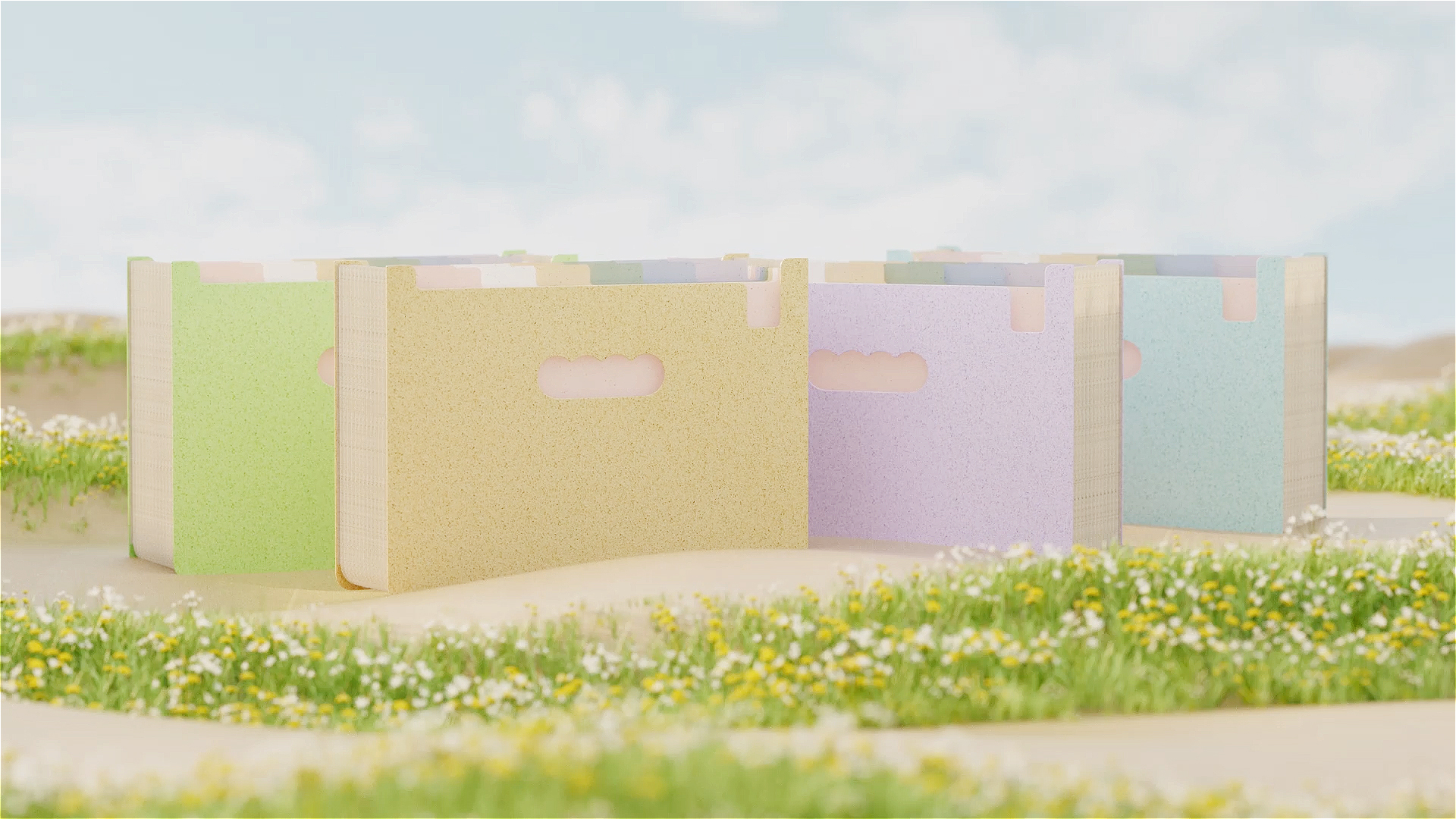
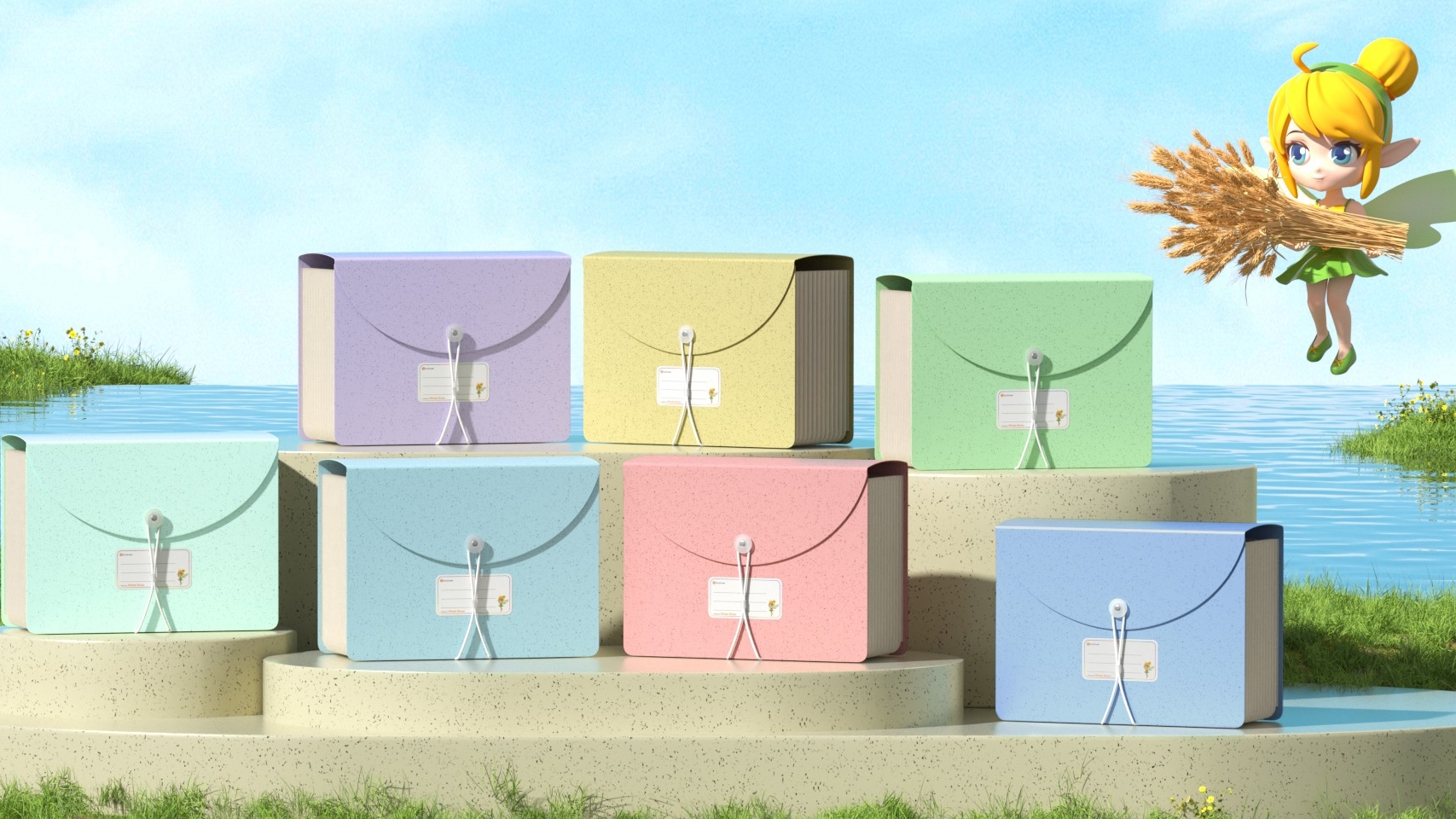
Designed for the Professional :We leverage the inherent strength of wheat straw fibers, expertly blending them with high-quality polymers to create a durable, bio-based composite. This ensures our products have the "snap" and flexibility required for high-volume filing while significantly reducing the use of virgin plastics. For example, our 12-Pocket Accordion File Organizer isn’t just a storage tool; it is a high-performance statement on the power of circular agriculture.
A Complete Sustainable System:Our innovation goes beyond just the raw material. By utilizing a wheat straw composite, we offer an archiving solution that is not only sustainable but also waterproof and tear-resistant—features that 100% recycled paper folders often lack. From our signature Hanging Folders to multi-functional expanding files, we help you systematically manage your paperwork while systematically decreasing your environmental footprint.
Conclusion: Your Choice Shapes the Future
Every material choice is a vote for the kind of industry and future we want to build. Whether it is recycled plastic, bamboo, bioplastics, or wheat straw, the goal is the same: using creativity and technology to answer the challenges of our planet.